Imagine a CEO approves a wire transfer, a vendor changes payment details, or a client confirms a transaction, only to realize the voice was fake. Deepfake voice technology uses AI to create realistic voice replicas from brief audio samples. Cybercriminals exploit this to impersonate executives, vendors, or clients during calls, voicemails, or virtual meetings.
A 2023 McAfee report reveals 77% of AI voice scams successfully deceive their targets, with businesses being prime victims. Banks, tech firms, and customer service industries are highly vulnerable, as these attacks prey on our natural trust in phone calls. When a fake voice asks for money or data, most security systems fail.
Organizations must move beyond awareness to action. New authentication methods that detect synthetic voices and robust training are essential to combat these threats. This blog will explore how deepfake voices are used in cyberattacks, their consequences, and how businesses can protect themselves.
Key takeaways
- Deepfake voice technology poses serious threats to businesses, manipulating employees into fraudulent actions through realistic voice replicas.
- Cybercriminals use deepfake voices in vishing, executive impersonation, and financial fraud, causing financial loss and reputational damage.
- Mitigation strategies include AI detection tools, multi-factor authentication, voice biometrics, security awareness training, and continuous monitoring.
- Resemble AI offers powerful detection and protection tools, such as real-time deepfake detection, speaker verification, and anomaly detection, to safeguard businesses from these threats.
What Are Deepfake Voices?
Deepfake voices are AI-generated audio clips designed to closely mimic real human speech. These voices replicate not only words but also tone, pitch, and emotion. It is created using machine learning models, deepfake voices analyze large audio datasets to mimic specific speech patterns with impressive accuracy.
These AI-generated voices are often part of social engineering tactics, where attackers manipulate individuals into giving up sensitive information, approving fraudulent transactions, or even bypassing security protocols.
What Are Deepfake AI Voice Threats in the Market?
Deepfake AI voice threats are no longer just about mimicking voices; they are increasingly sophisticated and can cause serious harm. Here’s a breakdown of some common deepfake voice threats and simple steps businesses can take to protect themselves.
1. Vishing (Voice Phishing)
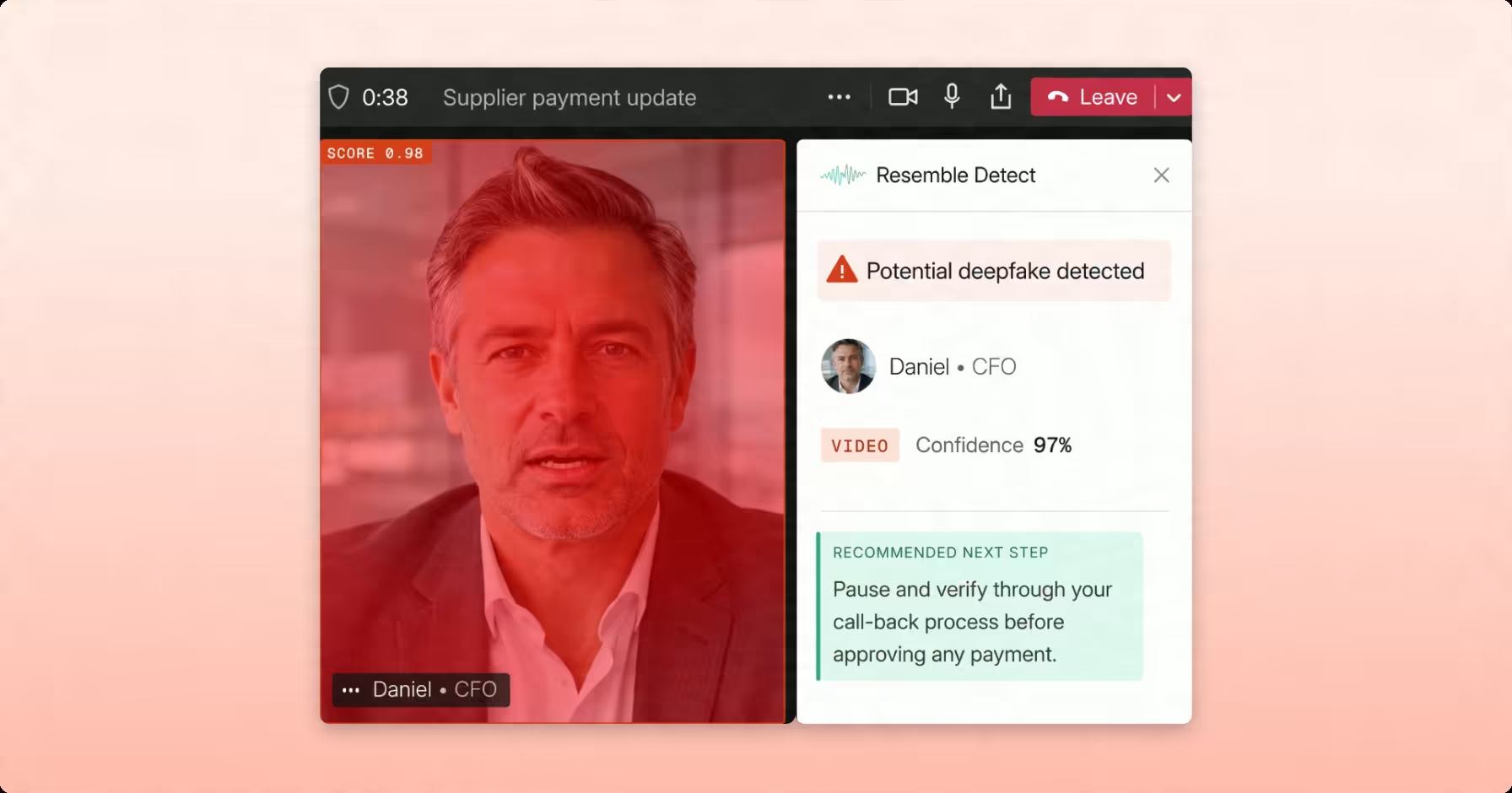
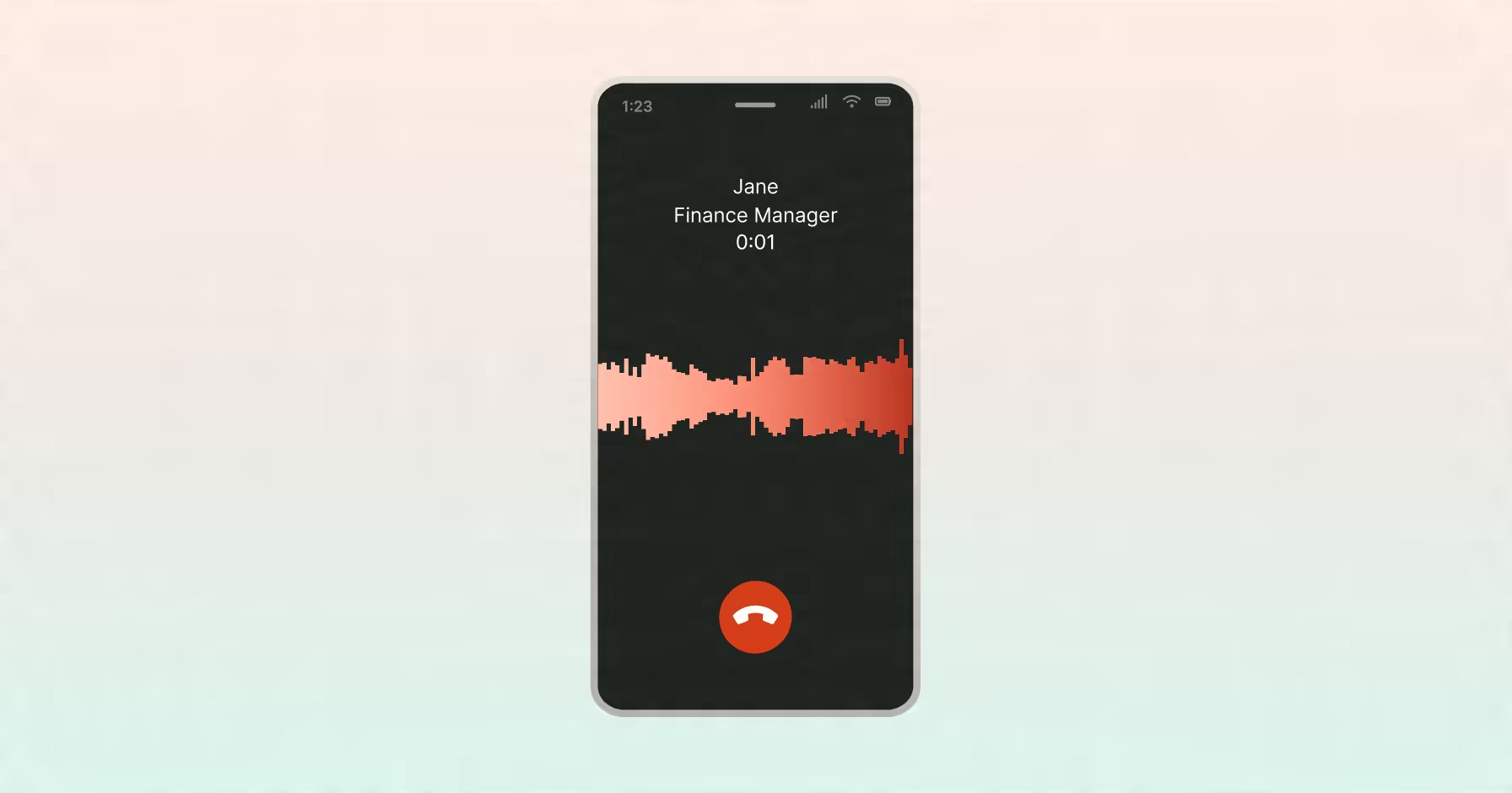
Cybercriminals use deepfake voices to impersonate high-ranking executives, like CEOs or CFOs. They manipulate employees into authorizing fraudulent transactions or sharing sensitive company data. Since the voice sounds so real, it’s easy to be tricked into doing something you wouldn’t normally do.
Tip: If you receive a suspicious call, always pause and take a moment to verify. Call the person back using a number you know is legitimate, or confirm with someone else in the company.
2. Impersonation of Customer Support Representatives
Hackers impersonate customer service agents using deepfake voices. They convince customers to reveal personal information or make changes to their accounts. This can erode customer trust and damage your reputation.
Tip: Let customers know upfront that they should never provide sensitive details over the phone. Encourage them to use your official website or app for account-related requests.
3. Executive Impersonation for Fraudulent Requests
Attackers can impersonate executives, tricking employees into transferring funds or releasing confidential information. The impersonated voice sounds so realistic that employees often don’t question it.
Tip: If you get a request from an executive asking for something out of the ordinary, don’t hesitate to ask for more details. Simple questions like, “Can you send this in writing?” can protect you from falling for a scam.
4. Fake Interviews or Press Releases
Deepfake voices can create fake interviews or announcements from company leaders, spreading false information or harming a company’s reputation. These attacks can mislead the public and create chaos.
Tip: Always double-check press releases or media interviews. Confirm with your PR or communications team if anything seems out of place, and never rush to respond without verifying the source.
As deepfake voices continue to evolve, businesses face serious consequences from these cyberattacks. Let’s explore the potential impact of these threats.
Consequences of Deepfake Voice Cyber Attacks on Businesses
Deepfake voice technology poses significant risks to businesses, often leading to financial, reputational, and operational damage. Here’s how these threats can impact your organization:
- Financial Loss: Deepfake voice attacks can trick businesses into transferring large sums of money to fraudulent accounts or approving unauthorized transactions. These attacks can result in millions of dollars lost, especially when attackers use voices of trusted figures within the company to bypass internal controls.
- Reputational Damage: When deepfake attacks succeed, they severely damage a company’s reputation. Stakeholders and customers lose trust, and regaining that trust takes time, often years. A single incident can overshadow the business’s credibility.
- Legal and Compliance Issues: Deepfake attacks frequently breach legal and regulatory standards, especially concerning data protection, financial transactions, and customer privacy. This exposes businesses to lawsuits, regulatory penalties, and potential compliance violations, resulting in costly legal battles.
- Loss of Confidential Data: Cybercriminals often use deepfake technology to impersonate executives and gain access to sensitive data like financial records, intellectual property, and customer information. This stolen data can be sold, further damaging the business’s bottom line and reputation.
- Operational Disruption: A deepfake attack can halt normal business operations, requiring costly recovery efforts. These disruptions can impact productivity, delay services, and even cause long-term operational setbacks, depending on the scale of the attack.
Deepfake voices are becoming a major threat to businesses, putting sensitive information and financial security at risk. Resemble AI’s Detect-2B offers real-time detection of synthetic voices, helping you spot and stop fraudulent activity before it causes harm. This tool is designed to keep your communications secure, protecting your business from costly scams and data breaches.
Try Detect-2B and see how it can safeguard your business.
Let’s explore some real-world examples of how deepfake AI voices are being used to carry out cyberattacks on businesses and the solutions that can help prevent such incidents.
How Deepfake AI Voices Create Cyber Attacks on Businesses
Deepfake AI voices are increasingly being used as powerful tools in cyberattacks, posing substantial risks to businesses worldwide. Here are some real-world examples of how these attacks unfolded and the issues they created:
Case Study 1 – US-based $11 Million Vishing Scam
In 2020, a U.S.-based energy company became the target of a deepfake voice attack. Cybercriminals impersonated the company’s CEO using AI-generated voice technology, convincing an employee to wire approximately $22,000 to a fraudulent account.
The voice was so convincing that the employee believed the request was legitimate. The scam was only uncovered after the money had been transferred.
This attack shows how deepfake technology can easily trick even well-trained staff, especially when the voice appears familiar and the request seems urgent. The primary issue here is the blind trust placed in voice communication, underscoring the need for multi-layered security and advanced systems to detect deepfake voices.
Case Study 2 – Qantas Vishing Attack
In 2020, Qantas Airlines was targeted in a vishing attack where cybercriminals used a deepfake voice to impersonate an executive. The attackers manipulated an employee into providing unauthorized access to internal systems, bypassing regular security measures.
This incident highlights the dangers of relying solely on voice for security, as deepfake voices can bypass standard protections like PIN codes or passwords. The need for additional security measures, such as multi-factor authentication (MFA) and visual confirmation, is critical to prevent these types of attacks.
Case Study 3 – Voice Phishing (Vishing) in the Financial Sector
In this case, cybercriminals used deepfake voices to impersonate financial advisors, persuading clients to transfer large amounts of money or change their account details. Some clients followed through with these instructions, leading to financial loss for both the clients and the institution.
This case illustrates how deepfake voices exploit trust to manipulate people into making critical financial decisions. It demonstrates the urgent need for the financial sector to rethink how it verifies calls and transactions to protect customers’ sensitive information and assets.
Read more: Comprehensive Voice Security Solutions Guide.
Now that we’ve examined the potential consequences of deepfake voice cyberattacks, let’s explore how businesses can protect themselves and mitigate these risks.
Mitigation Strategies for Deepfake Voice Cyber Attacks
As deepfake voice technology advances, businesses face greater risks from cyberattacks. Traditional security methods aren’t enough anymore, so businesses must adopt multiple layers of defense. Here’s how to reduce the risk effectively:
- AI-Powered Detection Tools: AI tools are essential for identifying deepfake voices. These systems analyze voice patterns and compare them to known, authentic samples. The quicker the threat is detected, the easier it is to stop. Real-time AI detection can provide an early warning, preventing fraud before it escalates.
- Multi-Factor Authentication (MFA): This is critical for securing communications and transactions. By combining voice recognition with other factors like PINs or biometrics, businesses create a stronger defense. This added layer of security ensures attackers can’t access sensitive information using voice alone.
- Security Awareness Training: Employees should be equipped to recognize suspicious calls and verify requests. This training helps them stay alert to social engineering tactics, reducing the risk of falling for deepfake scams.
- Voice Biometrics: Voice biometrics authenticate individuals based on unique vocal features, offering stronger protection than traditional voice recognition systems. This makes it much harder for cybercriminals to spoof someone’s voice with deepfake technology. Voice biometrics can be particularly effective for high-risk actions like transactions or access to sensitive data.
- Continuous Monitoring: Constantly monitoring voice activity within communications is essential for identifying deepfake attempts in real-time. Active monitoring helps businesses detect fraudulent activity quickly and take action to prevent damage.
To complement these strategies, let’s take a closer look at how Resemble AI’s tools can enhance your defenses against deepfake voice cyberattacks.
How Resemble AI Helps in Preventing Deepfake AI Voice Cyber Attacks
Resemble AI’s suite of advanced tools offers businesses a proactive defense against deepfake voice threats. With real-time detection, AI-powered speaker verification, and continuous audio intelligence, Resemble AI stands out in identifying synthetic voices with up to 98% accuracy.
This capability helps prevent manipulation before it escalates into a larger threat. Here’s how Resemble AI strengthens your defenses:
Deepfake Detection
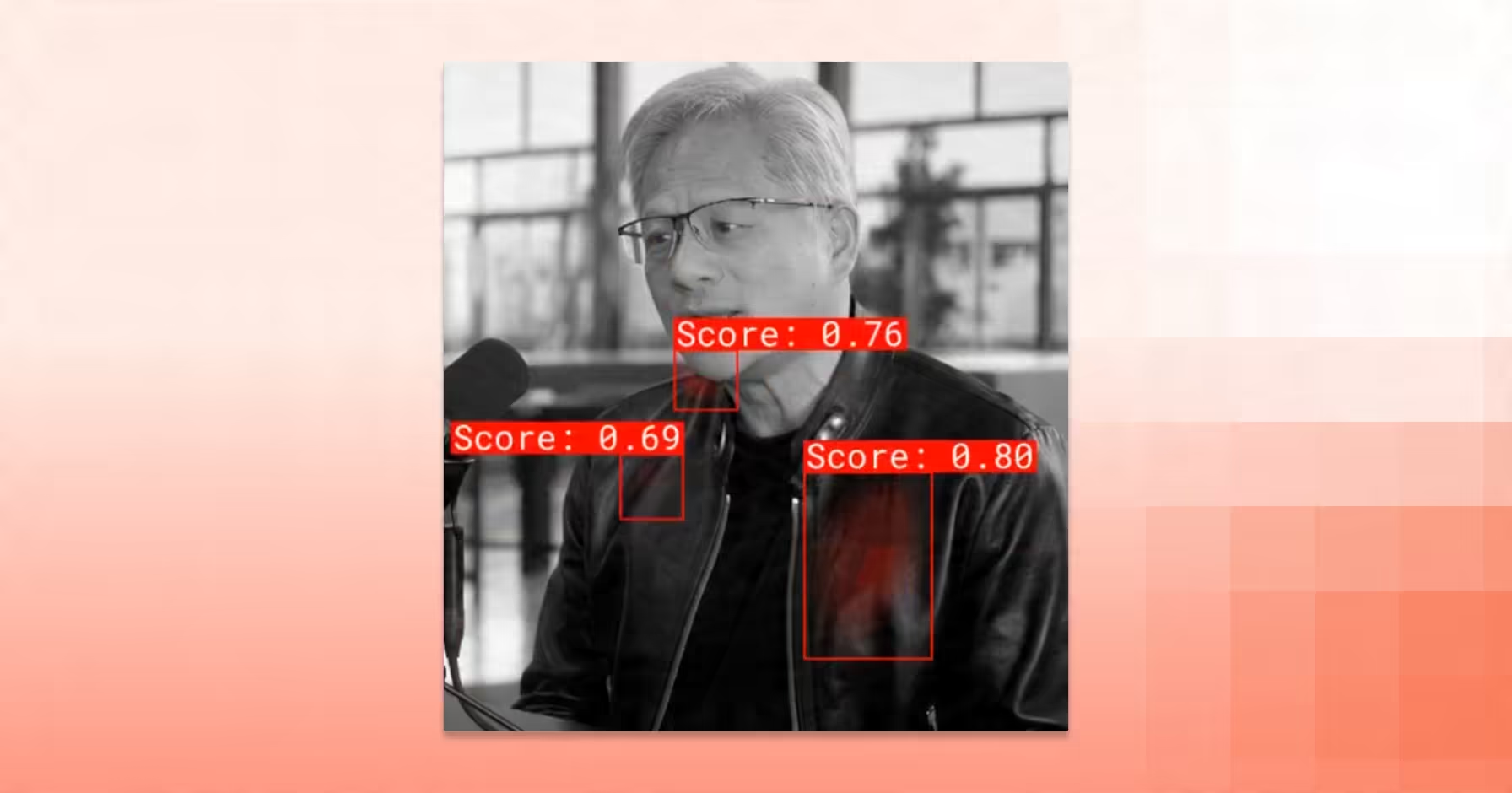
Resemble AI’s Detect system uses advanced neural models to analyze audio frame-by-frame in real-time, identifying manipulated voices. By comparing against a vast database of authentic human voices, it ensures that even the most convincing deepfakes are flagged quickly, reducing the risk of fraudulent transactions or data breaches before they occur.
Identity Protection
With Identity, Resemble AI offers speaker recognition that creates unique voice profiles for each individual. This makes it easy for businesses to authenticate voices and prevent unauthorized access to sensitive data. It seamlessly integrates with Detect, enabling businesses to verify voices with high accuracy, helping to avoid impersonation attacks and fraud.
Security Awareness Training
Deepfake attacks are more effective when employees aren’t trained to spot them. Resemble AI’s Security Awareness Training platform helps your team recognize deepfake voice attacks across phone, WhatsApp, and email. It provides realistic training simulations, tracking individual and team performance, and offering personalized risk scores to ensure that your staff is always prepared to handle new threats.
Audio Intelligence for Anomaly Detection
Resemble AI’s Audio Intelligence listens for subtle inconsistencies in speech patterns, things like unnatural pitch, rhythm, or cadence. It uses machine learning to detect potential anomalies and flags them for further investigation. This provides an added layer of security, ensuring that deepfakes are caught even when they manage to slip past other detection systems.
Cybercriminals are getting smarter, and deepfake voices are becoming harder to spot. Stay ahead of evolving threats and protect your organization with real-time detection. Schedule a demo now!
FAQs
Q1. Can Deepfake Voice Attacks Be Prevented with Basic Security Measures?
A1. No, basic security measures like passwords aren’t enough. Advanced AI detection tools and multi-layered authentication are essential to mitigate deepfake voice attacks.
Q2. How Can Businesses Detect Deepfake Voices in Real-Time?
A2. AI tools like Resemble Detect analyze voice patterns in real-time to spot inconsistencies and flag deepfake voices, preventing fraud before it happens.
Q3. What Are the Legal Implications of Falling Victim to Deepfake Voice Attacks?
A3. Businesses may face legal consequences, including lawsuits and fines, especially if customer data is compromised due to inadequate security measures.
Q4. How Can Employees Be Trained to Recognize Deepfake Voice Attacks?
A4. Security awareness training should teach employees to verify requests through multiple channels and report suspicious activity to prevent deepfake scams.