




As artificial intelligence grows more sophisticated, so do the scammers wielding it. Deepfake technology can now generate real-time video and audio that mimics anyone with startling accuracy. Picture your colleague requesting urgent fund transfers, a family member in distress asking for help, or even law enforcement making unexpected demands. The face on your screen looks right, the voice sounds familiar, but something sinister is lurking beneath the pixels.
In 2024, a Hong Kong-based company suffered a massive financial loss due to a deepfake scam. A fraudster used deepfake technology to impersonate a CEO in a live video call, tricking an employee into transferring $25.6 million. The victim was convinced they were speaking to a trusted executive, only realizing the scam after the transaction was made.
In this guide, we will uncover deepfake live video calls, reveal the red flags that give them away, and arm you with practical strategies to protect yourself from becoming the next target in this digital trap.
Key Takeaways
- Deepfake live video calls use AI to impersonate real people, tricking victims into taking harmful actions like transferring funds.
- Visual cues to spot deepfakes include unnatural blinking, inconsistent lighting, and odd facial movements. Audio cues include mismatched lip-syncing and robotic voices.
- Protect yourself by using multi-factor authentication, verifying identities via alternative communication, and staying updated on detection tools.
- Resemble AI offers real-time detection of deepfakes, analyzing both audio and video to ensure the authenticity of live video calls.
- Stay vigilant, educate yourself and others, and use advanced detection tools to avoid falling victim to these sophisticated scams.
What Are Deepfake Live Video Calls?
Deepfake live video calls use advanced artificial intelligence to create real-time video and audio impersonations of individuals. The technology behind deepfakes uses generative adversarial networks (GANs) and voice cloning techniques to mimic the visual and auditory characteristics of a person.
This technology enables fraudsters to conduct live video calls that feature seemingly authentic faces, voices, and mannerisms. As a result, the recipient is often deceived into believing they are interacting with a trusted individual, whether it is a colleague, boss, or loved one. By manipulating both the video feed and audio stream, scammers can mimic familiar voices and facial expressions, creating an illusion of authenticity that is difficult to detect without careful scrutiny.
Why Are Deepfake Video Calls Becoming a Growing Threat?

Deepfake video calls are quickly becoming one of the most alarming threats in the digital age. These deceptive AI-driven technologies allow fraudsters to impersonate individuals in real-time video communications and to deceive people into taking actions like sharing sensitive information, making financial transactions, or unknowingly participating in scams.
Here's why video call deepfakes are a growing concern:
1. Increasing Sophistication of AI Technology
AI algorithms have evolved to the point where deepfake video calls can mimic human expressions, speech, and behavior so convincingly that even trained eyes can struggle to distinguish them from genuine interactions. As AI models continue to improve, these fakes become harder to detect, increasing their effectiveness and making them more dangerous.
2. Growing Use in Fraud and Scams
Fraudsters are increasingly using deepfake technology to conduct sophisticated scams. These can include impersonating company executives to trick employees into transferring money or stealing sensitive information, or impersonating loved ones to emotionally manipulate individuals into making financial decisions. The use of deepfakes in scams is rising because it exploits both visual trust and auditory cues, making victims more likely to fall for the fraud.
3. Amplification Through Social Media and Video Platforms
Video conferencing platforms and social media are widely used for personal and professional communications, making them an easy target for deepfake attacks. Fraudsters can exploit these platforms to reach a larger audience, manipulating more people at once. Given the ease with which these videos can be spread and shared, the damage caused by a deepfake scam can be significant and widespread.
4. Challenges in Detection and Regulation
Deepfake detection technology is still evolving, and while there are tools available to identify fake videos, they are not foolproof. As deepfake technology becomes more advanced, the tools for detection must evolve at a rapid pace. Additionally, regulations surrounding deepfakes are still lagging behind the technology itself, making it harder for authorities to combat the spread of these malicious videos effectively.
5. Psychological Manipulation
Deepfake video calls prey on human psychology. People instinctively trust what they see and hear, which makes them more likely to trust a realistic video call. By using deepfakes, criminals can manipulate emotions, create a sense of urgency, and gain the trust of their victims, leading them to take actions they otherwise might not have.
6. Difficulty in Reversing the Damage
Once a deepfake video has been shared, it is incredibly difficult to remove, especially if it goes viral. Victims of deepfake scams often face long-lasting emotional and financial damage, and restoring their reputation or recovering lost assets can be a lengthy and costly process.
As deepfake video calls continue to advance and proliferate, the risks associated with them grow as well. Whether for financial fraud, personal scams, or corporate espionage, deepfakes represent a new frontier of cybercrime that requires vigilance, education, and advanced security measures to protect against.

How Does a Video Call Deepfake Typically Work?
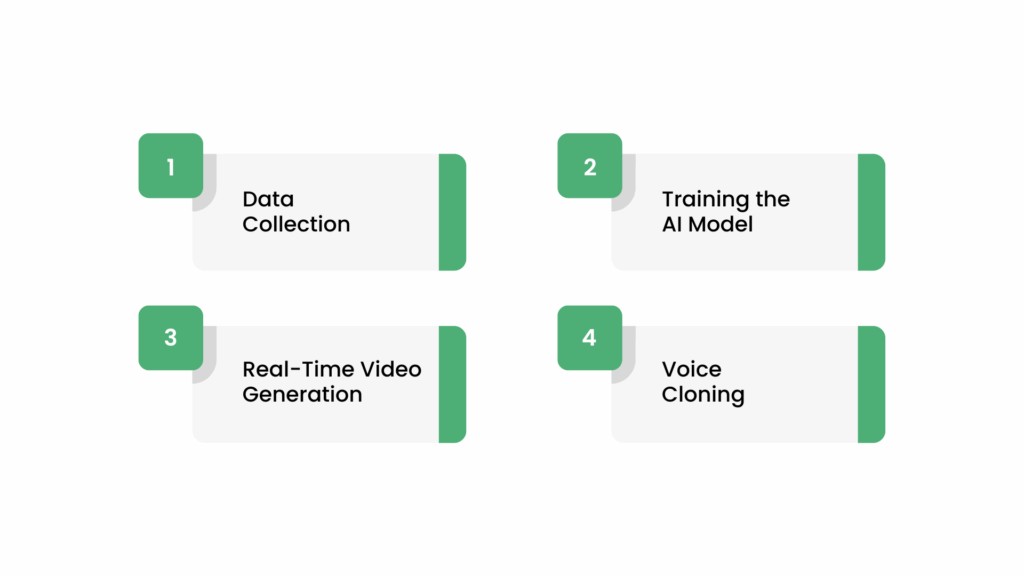
Deepfake technology relies on Artificial Intelligence (AI) and machine learning algorithms to create realistic, yet fake, video and audio content. Here's how a typical video call deepfake is generated:
1. Data Collection
To create a convincing deepfake, the AI needs to analyze a large dataset of videos and images of the target person. This data helps the AI learn how to replicate facial expressions, lip movements, and voice patterns.
For voice deepfakes, audio recordings of the target individual are used to train the AI on the unique characteristics of their voice, including pitch, tone, and cadence.
2. Training the AI Model
The AI model used for deepfake creation is usually a Generative Adversarial Network (GAN). This type of network consists of two components: a generator that creates fake content, and a discriminator that attempts to detect whether the content is real or fake.
Through a process of continuous refinement, the generator gets better at creating lifelike audio and video content that the discriminator can’t easily detect.
3. Real-Time Video Generation During a Video Call
Once the model is trained, the deepfake video is generated live during a video call. This process involves real-time manipulation of the target’s facial features, expressions, and lip-syncing, making it appear as if they are speaking and reacting.
The AI processes live video feeds, replacing the person’s face with the deepfake, and adjusts their movements to sync with the speech of the fraudster on the other end.
4. Voice Cloning
For the voice component, deepfake technology can clone the target's voice by analyzing hours of audio recordings. The AI can then synthesize speech in the target's voice, matching the pace, tone, and inflections of the original person.
In a video call scam, the fraudster uses this technology to mimic the target’s voice while speaking in real time, making the conversation sound authentic.
As deepfake technology improves, the lines between real and fake become increasingly blurred. This makes it crucial for individuals and businesses to understand how these deepfakes work and learn how to recognize and protect themselves from such attacks.
How to Identify Deepfake Live Video Calls
1. Visual Cues
One of the first things to look out for when you suspect a deepfake is the visual quality. While deepfakes are becoming more convincing, they often still exhibit subtle flaws, such as:
- Unnatural blinking: A person’s eyes may blink too fast or remain open unnaturally long.
- Inconsistent lighting: Deepfake videos often struggle with proper lighting, causing shadows to look off or lighting to shift in strange ways during the conversation.
- Jagged movements: The movements of the person might appear stiff or artificial, especially when they make quick gestures.
2. Audio Anomalies
Another strong indicator of a deepfake is the audio. Pay attention to:
- Mismatched lip-syncing: The audio may not line up with the lip movements, especially when the person is speaking quickly.
- Robotic-sounding voices: While the voice may sound natural at times, it might also sound mechanical, too monotone, or lack the emotional inflection of a real person.
3. Behavioral Indicators
- Avoiding eye contact or overly scripted behavior: If the person seems to avoid looking directly into the camera or keeps repeating certain phrases, it may be a sign of a deepfake.
By staying vigilant and noticing these signs, you can reduce the risk of falling victim to deepfake video call scams.
Protective Measures to Safeguard Yourself

Here are some protective measures to safeguard yourself from deepfake live video calls:
1. Multi-Factor Authentication (MFA)
One of the easiest ways to protect your online accounts is by enabling multi-factor authentication. While it won't prevent deepfakes, MFA can help ensure that even if a fraudster manages to deceive you into giving up your credentials, they won’t be able to access your accounts without the second authentication factor.
2. Use Trusted Platforms
When participating in video calls, always use video conferencing platforms that offer built-in security features like liveness detection, which helps prevent the impersonation of real individuals during video calls. These platforms can analyze your environment, monitor eye movements, and ensure you’re not interacting with a deepfake.
3. Verify Identity Independently
If you receive a video call from someone you know, but something feels off, don’t hesitate to verify their identity through another communication channel, such as a phone call or email. For example, if your boss seems to be giving you unusual instructions via video call, take a moment to call them directly before acting on those instructions.
4. Educate Yourself and Others
Deepfake technology is advancing rapidly, and staying informed about the latest techniques can help you avoid falling for a scam. Educate your family, friends, and colleagues about deepfake scams, so they are also aware and can spot suspicious activity.
Also Read: Introducing Telephony Optimized Deepfake Detection Model

Leverage Advanced Detection Tools for Deepfake Video Calls
As deepfakes continue to evolve and become more sophisticated, it's essential to utilize advanced detection tools to protect yourself. While traditional security methods may not be enough to guard against AI-driven content manipulation, the following tools can help you identify deepfake content in real time.
Resemble AI
As a leader in voice cloning and AI-powered audio and video technology, Resemble AI provides deepfake detection tools for your meetings and advanced features designed to prevent deepfake creation altogether.
Resemble AI’s DETECT-2B leverages AI algorithms to compare the deepfake with known features of real human behaviors and media. Over time, these algorithms become better at spotting subtle manipulations that may go unnoticed by human viewers.
Here's how Resemble AI enhances deepfake protection:
1. Real-Time Voice Cloning Detection
Resemble AI's advanced voice cloning technology allows users to verify the authenticity of audio during a live video call. By comparing the voice in a deepfake call to known, verified samples of the target's voice, Resemble AI can flag anomalies that indicate the presence of a deepfake. This is particularly useful in scenarios where an impersonator attempts to clone someone’s voice for fraudulent purposes.
2. Customizable Voice Signature Detection
Resemble AI offers the ability to create unique voice profiles based on an individual’s speaking style, cadence, and specific vocal nuances. By comparing the deepfake’s voice against these voice signatures, Resemble AI can identify subtle differences, making it easier to distinguish a real person from a deepfake in live video calls.
3. Deepfake Video Recognition
Beyond voice detection, Resemble AI also focuses on the video element. Its video analysis tools examine facial movements, blinking patterns, and synchronization between voice and video to identify inconsistencies that are typical of deepfakes. By integrating deepfake detection with voice and visual cues, Resemble AI offers a comprehensive solution for identifying manipulated content.
Also Read:Introducing Deepfake Security Awareness Training Platform to Reduce Gen AI-Based Threats
Stay Vigilant and Proactive
Deepfake live video calls are a growing threat, but they are not invincible. By staying vigilant and adopting a combination of technical defenses and practical steps, you can protect yourself from becoming a victim of this high-tech scam. Always be suspicious of video calls that feel off, and don’t hesitate to verify the identity of the person on the other end.
Remember, proactive protection is your best defense. By educating yourself, using secure platforms, and implementing robust security measures like multi-factor authentication, you will be better equipped to handle the risks posed by deepfake technology.
Don’t leave your security to chance. Protect yourself today by leveraging the power of Resemble AI’s advanced detection tools. Whether for personal protection or enterprise-level security, Resemble AI offers the tools you need to ensure your communications are secure.
Ready to learn more? Visit Resemble AI and book a demo to access real-time deepfake detection for your meetings.
FAQs
1. What is a deepfake live video call?
A deepfake live video call is a real-time video chat where the person you're talking to is impersonated by AI technology, making it appear as if you are interacting with a real person.
2. How can I detect a deepfake video call?
Look for visual and audio cues like unnatural blinking, inconsistent lighting, robotic-sounding voices, and mismatched lip-syncing.
3. What should I do if I suspect a deepfake video call?
Immediately end the call, verify the identity of the person through a different communication channel, and report the incident.
4. How can I protect myself from deepfake scams?
Implement multi-factor authentication, use trusted video conferencing platforms, and always verify identities independently to protect yourself from deepfake scams.
.avif)
