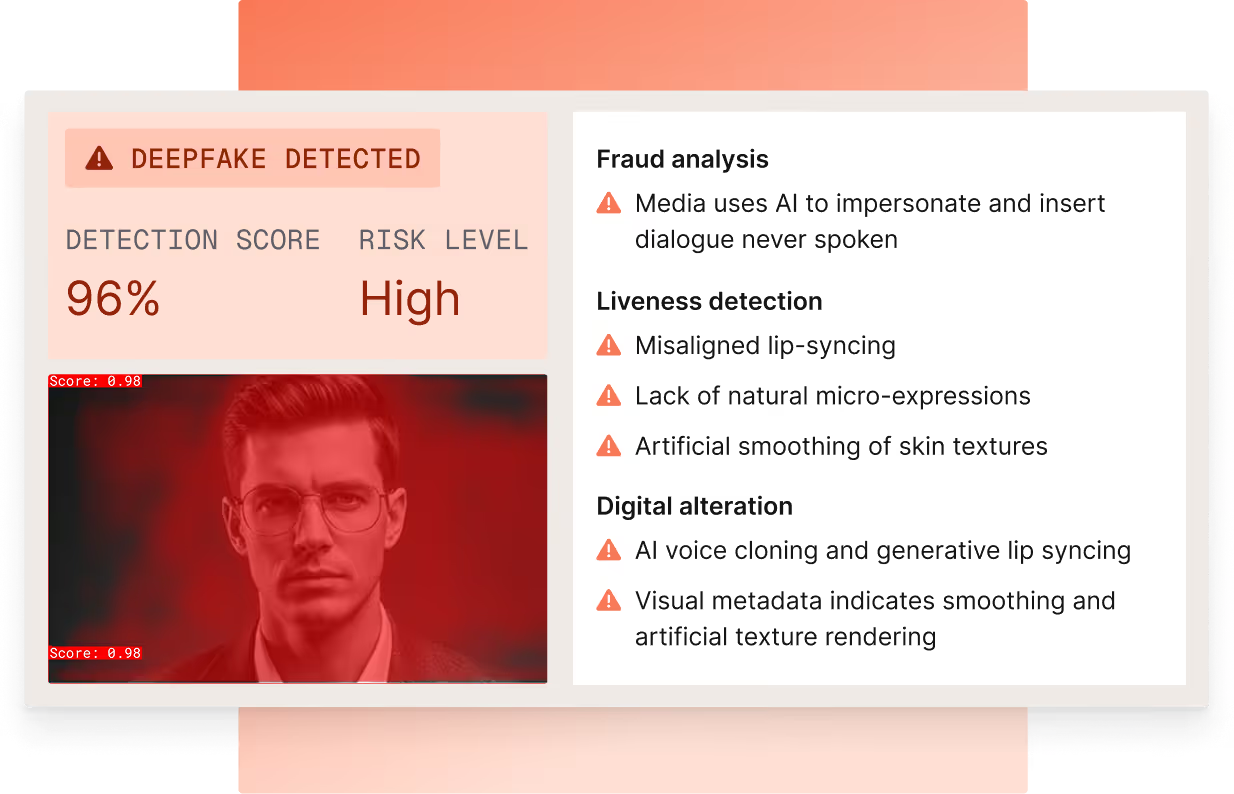
Your existing classifiers identify content that violates platform policies. Resemble detects whether audio, video and images are AI-generated or manipulated, giving trust and safety teams another way to identify synthetic media.
A major image licensing platform runs around two million images a month through verification before anything is published, and needs a verdict back inside a minute so editorial is not held up.
User generated uploads
Traditional user-generated content moderation was built for human users, not AI models that can churn out convincing fake content at scale. Creating fakes is cheaper than ever, and the volume keeps growing.
Impersonation and likeness abuse
AI-generated audio and video can make it look like real people, including public figures and the recently deceased, are saying or doing things they never did. The content may violate existing policies, but proving it’s synthetic can make enforcement difficult.
Coordinated campaigns
Fabricated profile photos, invented bylines and synthetic avatars used to manufacture accounts at scale. Social media content moderation catches individual posts while the pattern across accounts goes unnoticed.
Licensing and editorial verification
Marketplaces licensing content and newsrooms publishing it need to know the media is authentic. A single synthetic image, video or audio clip slipping through can undermine trust and credibility.