According to the World Health Organization, at least 2.2 billion people worldwide live with visual impairment, and demand for accessible audio experiences is on the rise. As the population continues to grow, the need for voice technology to support accessibility needs has never been higher. AI voice tools like Resemble AI and Speechify are pivotal in this transformation, helping bridge the gap in providing universal access to content.
This article compares Resemble AI and Speechify, two leading AI voice platforms, focusing on their listening experience, accessibility features, customization capabilities, and overall usability. We’ll explore how both platforms serve various use cases, from e-learning and content creation to accessibility for visually impaired users.
Key Takeaways
- Audio Accessibility benefits individuals with visual impairments, learning disabilities, and those who prefer listening to content for better engagement and comprehension.
- Resemble AI offers high-fidelity voice cloning with emotional depth, making it ideal for long-form content, e-learning, audiobooks, and content requiring personalization.
- Speechify excels in ease of use, mobile listening, and daily reading, providing fast integration and accessibility across devices, making it perfect for students and professionals on the go.
- Resemble AI provides deep customization options, multilingual support, and integration for scalable accessibility workflows, ideal for enterprises and creators needing diverse, adaptable voice content.
- Speechify offers robust accessibility features like speed control and reading modes, but its customization is more limited compared to Resemble AI‘s advanced emotional and tonal control.
Audio Accessibility: What It Means and Why It Matters
For millions of individuals across the world, audio accessibility is not just a luxury but a necessity. People with visual impairments, learning disabilities, or reading challenges rely on AI voices to access content, engage with information, and maintain their independence. As digital content becomes an essential part of daily life, making this content accessible is more important than ever. Whether it’s for e-learning, professional development, entertainment, or personal knowledge, AI voices bridge gaps and help create inclusive digital environments.
Key components of accessible audio include:
- Clarity: Ensuring the voice is crisp and clear without distortion, making it easy for listeners to process the information.
- Consistency: Providing a steady rhythm and voice tone that maintains listener attention and avoids confusion.
- Multilingual Support: Enabling content to be consumed by people in various regions with different language needs, ensuring inclusivity in global contexts.
- Listener Comfort: Offering features like adjustable pacing, tone, and volume to help listeners engage with the content without strain.
Impact on Diverse Audiences
The impact of audio accessibility stretches far and wide. The following groups benefit significantly from AI-generated voices:
- People with Visual Impairments: Those who cannot see the content rely on voice technology to access websites, e-books, documents, and even applications, ensuring they can enjoy the same information as sighted individuals.
- Dyslexia or Learning Disorders: Individuals with reading difficulties, including dyslexia, can follow along with text while listening, aiding their comprehension and learning abilities.
- Long-Form Readers Preferring Audio: Many people, including those with disabilities, prefer to consume content via audio, particularly for long-form content such as audiobooks, articles, or research papers, which allows them to multitask or take breaks as needed.
- Busy Professionals: In the fast-paced world of business, many professionals rely on audio content to stay informed while on the go. They can listen to meetings, reports, or articles during commutes or downtime, which enhances productivity and information accessibility.
As we move forward in this article, we will compare two prominent AI voice platforms—Resemble AI and Speechify—to see how they measure up in terms of their accessibility and listening experience capabilities.
Resemble AI vs Speechify: Platform Overview
Resemble AI and Speechify offer powerful AI-driven solutions, but they cater to different audiences and needs. Let’s take a closer look at the core offerings of each platform and their positioning within the accessibility space.
What Is Resemble AI?
Resemble AI is a premium AI voice platform designed for professional-grade voice cloning and audio creation. Its core focus is on delivering high-quality, expressive speech with deep emotional nuance. Resemble AI is built for creators, businesses, and enterprises who require dynamic, human-like voices for a variety of use cases, including e-learning, audiobooks, IVR systems, and customer support.
- Voice Cloning & Expressive Speech: Resemble AI allows users to create lifelike voice clones that replicate specific vocal characteristics, including pitch, tone, pacing, and emotional depth. This makes it ideal for creating content that requires engagement, such as interactive media, storytelling, and long-form content.
- Custom Voices with Emotional Nuance: With Resemble AI, users can generate voices that express a range of emotions, from calm and neutral to urgent and dramatic, making it well-suited for projects that demand emotional flexibility and rich storytelling.
- Enterprise & Creator-Friendly: Resemble AI supports integrations via APIs, making it a powerful tool for enterprises with complex workflows. It’s ideal for large-scale operations that require multiple voice assets, quick adaptation, and smooth scalability.

What Is Speechify?
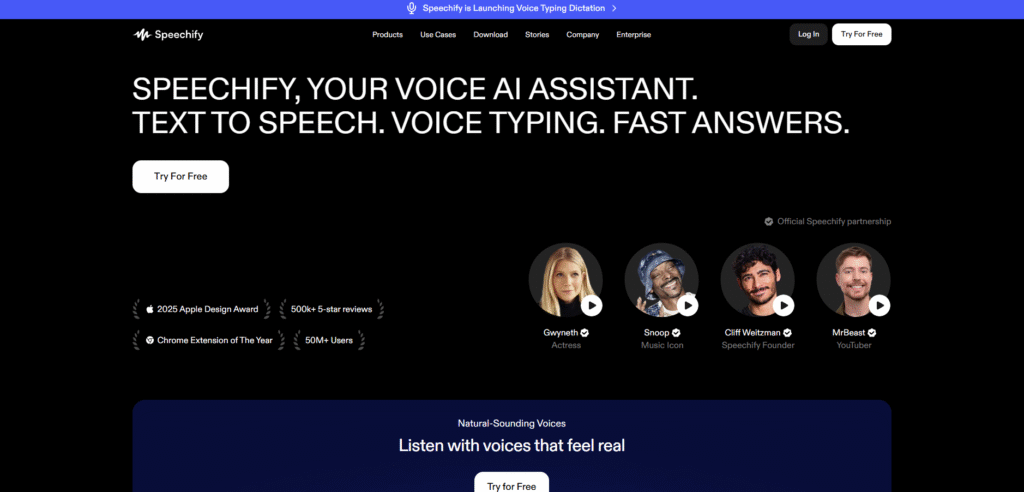
Speechify is a listener-first AI voice platform designed to transform any written content into speech with high-quality audio, perfect for everyday users. Speechify emphasizes accessibility, ease of use, and cross-platform compatibility, providing a seamless listening experience for people with visual impairments, learning disabilities, or anyone seeking to consume content more efficiently.
- Cross-Device Accessibility: Speechify is available on a wide range of devices, including mobile, web, and browser extensions, ensuring that users can listen to content on-the-go. This broad accessibility makes it particularly useful for students, professionals, and individuals with disabilities.
- Built-in Reading Mode: Speechify offers a built-in reading mode that converts text into speech while highlighting text as it’s read aloud. This feature is essential for improving comprehension and retention, especially for those with learning disabilities like dyslexia.
- Speed Control & User-Friendly Interface: One of Speechify’s standout features is its speed control, allowing users to adjust the playback speed to match their preferences. Its simple, intuitive interface is easy to navigate, even for those with little to no technical expertise.
Now that we have the basics, let’s compare these tools on the core criteria influencing accessibility and listening experience.
Listening Experience & Audio Quality
The core of any accessibility-focused voice tool lies in its audio quality. A natural, clear, and engaging voice ensures users can comfortably listen to content for extended periods without strain. Let’s compare how Resemble AI and Speechify perform in this regard.
Naturalness & Human‑Like Sound
Realism in voice quality is vital for delivering an immersive and comfortable listening experience. Natural-sounding voices have a subtle tonal variation, breath control, and prosody that mimic real human speech.
- Resemble AI: Known for its highly realistic voice generation, Resemble AI excels in capturing human-like tonal shifts, natural pacing, and breathing patterns. This makes the voices dynamic and lifelike, which is especially beneficial for e-learning, audiobooks, and interactive media that require emotional depth.
- Speechify: While Speechify offers clear and intelligible voices, they tend to sound more synthetic compared to Resemble AI. Speechify prioritizes clarity and ease of understanding, making it excellent for straightforward tasks like listening to articles, blog posts, and short content.
Emotional Expression & Tone Variability
A critical factor in engaging listeners, especially for storytelling or educational content, is how well the voice can convey emotion and adapt to different contexts. Emotional expression adds depth and connection to the material, maintaining the listener’s interest throughout the experience.
- Resemble AI: Resemble AI allows for advanced emotional control and tone variability. Its voice cloning capabilities enable emotional modulation, such as adding urgency, calmness, or excitement, depending on the context. For instance, in storytelling or e-learning, the voice can fluctuate to match narrative pacing, ensuring that the content feels more dynamic and engaging. This emotional expressiveness makes it ideal for long-form content like audiobooks, podcasts, or any project that requires nuanced delivery.
- Speechify: While Speechify offers some emotional tone adjustments, its emotional range is more limited compared to Resemble AI. The voice modulation in Speechify leans towards a more neutral, straightforward delivery, which works well for professional and clear communication but may fall short for content that requires a dramatic or varied emotional performance. For example, in storytelling or highly engaging e-learning content, Speechify’s voice may not deliver the same depth and variety in emotional expression.
Also Read: How to Create Your Own Audiobook Easily
Now that we’ve explored audio quality and listening experience, let’s dive deeper into how Resemble AI and Speechify cater to accessibility features and customization options.
Beyond quality, accessibility depends on how easy the tool is to customize for individual listening preferences.
Customization & Accessibility Features

When it comes to accessibility, customization is key. The ability to adjust voice tone, pitch, speed, and emotional delivery enhances the experience for users, making it more adaptable to specific needs. Let’s dive into how Resemble AI and Speechify cater to this demand, offering flexible customization options to create a more personalized listening experience.
Voice Customization & Control
Both platforms offer varying levels of customization, which is vital for accessibility.
- Resemble AI: Known for its advanced voice cloning, Resemble AI allows users to fine-tune voice parameters such as pitch, tone, and emotion. This makes it an excellent choice for those who require a specific voice style or emotional expression.
- Speechify: While Speechify does not offer as deep voice customization as Resemble AI, it does allow users to control playback speed, adjust tone slightly, and choose from a variety of preset voices. This can be sufficient for general use, especially for users who want a simple, no-fuss experience for consuming written content.
Speed, Pacing & Reading Modes
Different users have different preferences when it comes to speed and pacing. Having customizable settings for how fast or slow content is read can help individuals with varying abilities and needs.
- Resemble AI: Users can adjust how quickly or slowly the voice delivers content, ensuring that the audio pace aligns with the user’s cognitive speed. This is particularly useful for e-learning environments or detailed content where understanding complex material at a comfortable pace is important. The ability to finely tune the speed can help mitigate fatigue, especially for long-form content.
- Speechify: Speechify offers variable speed controls, allowing users to adjust playback from slower to faster speeds depending on personal preference. The platform also includes different reading modes, such as a “Reading Mode” that can be customized for better focus.
Device & Platform Support
Accessibility is not only about features but also about where and how users can access the content. The right platform support for multiple devices and assistive technologies is critical for ensuring content is available to a wider audience.
- Resemble AI offers extensive API and integration capabilities, making it suitable for enterprise use where voice content needs to be embedded into various platforms.
- Speechify shines in its cross-platform accessibility. It supports not only desktop and mobile applications (iOS, Android) but also browser extensions, allowing users to listen to content across a variety of devices seamlessly.
Now, let’s focus on real‑world accessibility use cases for each platform.
Accessibility & Listening Experience: Real‑World Use Cases
AI voice tools offer distinct value across various audiences, each with specific needs for accessibility, comprehension, and engagement. Let’s explore how Resemble AI and Speechify cater to real-world use cases in education, content accessibility, and support systems, ensuring a better listening experience for everyone.
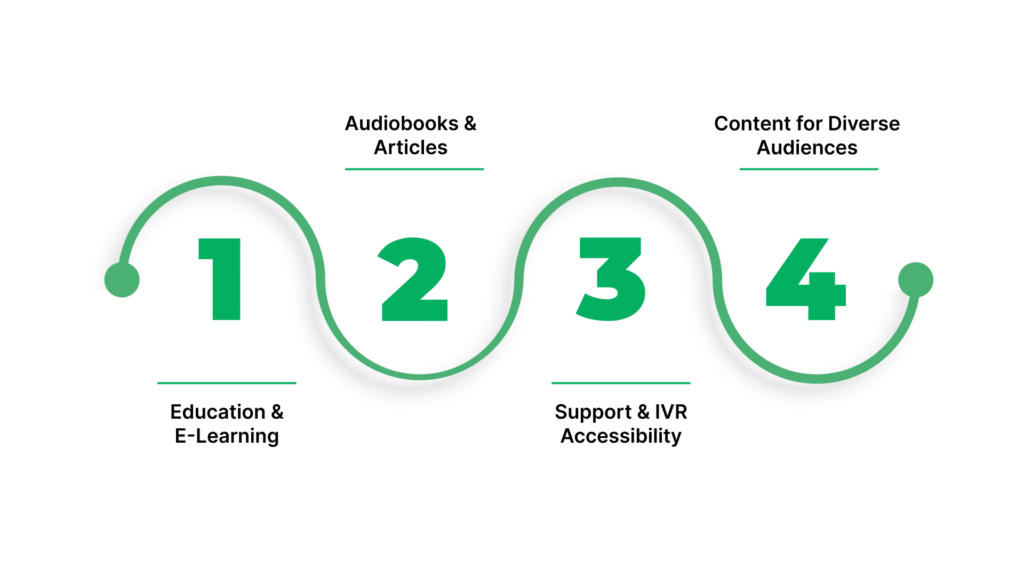
Education & E-Learning
- Narration of Textbooks and Lesson Content: Both Resemble AI and Speechify can enhance the educational experience by providing dynamic narration for textbooks, lesson content, and instructional materials. Resemble AI excels with its highly customizable voice options, making it ideal for e-learning platforms that need varied voice tones and emotional engagement to maintain attention throughout long educational modules.
- Custom Voice Roles for Interactive Learning: Resemble AI’s voice cloning capabilities are perfect for interactive e-learning environments. You can create custom character voices that align with the educational content, making lessons more engaging. Speechify, while more basic, still delivers clear, accessible narration, though its customization options are less flexible than Resemble’s. Both tools help learners consume educational content with a natural, human-like listening experience, improving retention and comprehension.
Also Read: AI Voice Cloning for E-Learning Narration.
Audiobooks & Articles
- Natural Listening Experiences for Long Texts: When it comes to audiobooks, long articles, or research papers, natural listening experience is key. Resemble AI offers a superior experience due to its emotional depth and realistic voice nuances, ideal for audiobooks that require character-driven storytelling. Speechify also delivers high-quality voices for audiobooks, but its voice range may lack the subtle emotional dynamics needed for complex narratives.
- Daily Reading vs Deep Listening: For daily reading, such as news articles or casual content, Speechify’s fast, user-friendly interface makes it easy to consume content quickly. It’s great for multitasking or individuals with visual impairments. However, for deep listening, such as in immersive audiobooks or research reading, Resemble AI’s dynamic tonal adjustments ensure an engaging and rich experience, helping listeners stay focused during longer sessions.
Support & IVR Accessibility
- Phone Systems, Automated Support with Inclusive Voices: Both Resemble AI and Speechify are well-suited for IVR (Interactive Voice Response) systems and automated customer support systems. Resemble AI can provide dynamic and emotional voice responses, creating a more personalized customer experience. Its ability to adjust the tone—whether to convey empathy, urgency, or professionalism—makes it ideal for customer service applications that require emotional engagement.
- Speechify provides high-quality TTS voices, but they may lack the emotional depth and adaptability needed for a nuanced customer support interaction. For standard, straightforward IVR applications, however, it remains a solid choice for delivering clear, intelligible voice prompts.
Content for Diverse Audiences
- People with Dyslexia, Visual Impairments, ADHD, and ESL Learners: Accessibility tools must support a wide range of learners and users. Resemble AI’s multilingual capabilities and dynamic voice options make it an excellent tool for supporting users with diverse needs, from people with dyslexia who benefit from clear pacing and consistent pronunciation, to ESL learners who need native-like speech for better comprehension.
- Speechify, with its adjustable speed controls, is also well-suited for individuals with ADHD or those who prefer auditory learning over visual engagement. Its clear, easy-to-follow voice output makes it a good option for people with visual impairments and reading difficulties. However, its lack of deeper customization in emotional tone limits its full potential for people needing a more interactive, personalized listening experience.
Resemble AI vs Speechify: Side‑by‑Side Comparison
Below is a detailed comparison of Resemble AI and Speechify across the most important criteria for listening experience and accessibility.
| Feature/Criterion | Resemble AI | Speechify |
| Audio Quality | High‑fidelity, lifelike voices with natural prosody, breath patterns, and tonal depth — ideal for long listening sessions and immersive content. | Very clear and intelligible audio optimized for quick consumption, though slightly more synthetic and less expressive than Resemble AI at scale. |
| Accessibility Features | Advanced voice customization (tone, emotion, pacing); supports dynamic adjustments that aid comprehension for diverse learners. | Robust built‑in accessibility (speed control, reading mode, highlight‑as‑you‑listen) designed for wide user adoption. |
| Voice Customization | Deep voice tuning, emotional modulation, and voice cloning (create unique voices). | Moderate; includes multiple preset voices and speed adjustments, but no advanced cloning or emotional control. |
| Speed & Playback Control | Flexible pacing configuration through API or platform settings; ideal for adaptive listening applications. | Excellent user‑facing speed control with simple sliders and intuitive playback presets on all devices. |
| Multilingual & Accent Support | Supports many languages and regional accents with a consistent voice identity across languages. | Supports multiple languages; accent options vary by voice and subscription tier. |
| Integrations & Workflow | Strong API support, LMS/CMS/production pipeline integration; ideal for enterprise and content workflows. | Excellent cross‑device sync (web, iOS, Android, extensions); integrates with reading tools and browsers for on‑the‑go use. |
| Device/ Platform Support | Web, API, embedded apps; integration into custom platforms via REST/SOAP. | Web app, iOS, Android, Chrome/Edge extensions — easy access across devices. |
| Ease of Use | Moderate learning curve due to rich customization and API integration. | Very user‑friendly with minimal setup; ideal for non‑technical users. |
| Commercial & Licensing | Full commercial rights and voice ownership; clear redistribution and enterprise usage terms. | Commercial use available under paid plans; personal use may have restrictions. |
| Best Use Cases | E‑learning narration, audiobooks, branded content, immersive storytelling, enterprise accessibility workflows. | Daily reading (articles, emails, documents), student learning, on‑the‑go listening, casual accessibility needs. |
| Emotional Expression | Excellent — supports nuanced emotional delivery suited to narrative and long content. | Basic — more neutral delivery, best for clarity over expression. |
| Ideal for Accessibility | High — deep customization and integration for tailored accessibility solutions. | High — especially for individuals and mobile accessibility, with easy speed and format controls. |
Why Accessibility Advocates Choose Resemble AI
Resemble AI is an excellent choice for accessibility advocates due to its comprehensive features that prioritize both high-quality audio and adaptability for diverse user needs. Here’s why Resemble AI stands out:
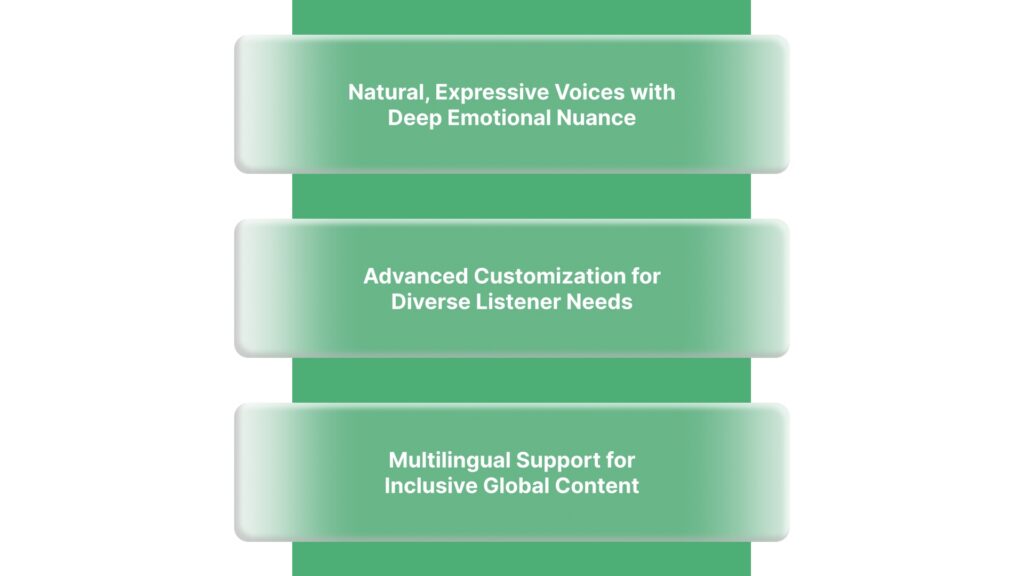
- Natural, Expressive Voices with Deep Emotional Nuance: Resemble AI is renowned for its lifelike voice generation, capturing tonal variation, breathing patterns, and emotional modulation. This makes it ideal for creating voices that sound human-like and engaging, reducing fatigue in long listening sessions, and enhancing comprehension for diverse listeners.
- Advanced Customization for Diverse Listener Needs: The platform offers robust customization options, including the ability to adjust tone, emotion, pacing, and voice style. This flexibility allows creators to fine-tune voices to suit different accessibility requirements, ensuring that each listener’s preferences — whether for clarity, emotional tone, or pacing — are met. This level of customization is crucial for industries like e-learning, healthcare, and customer support, where nuanced voices make a substantial impact on engagement and retention.
- Multilingual Support for Inclusive Global Content: With support for over120 languages and regional accents, Resemble AI ensures that accessibility extends beyond borders. The ability to maintain a consistent voice identity across multiple languages is especially valuable for global enterprises or creators looking to make their content inclusive for diverse audiences across different regions.

Conclusion
In the battle for the best AI voice tool for listening experience and accessibility, both Resemble AI and Speechify bring impressive capabilities to the table, each catering to different needs and user priorities. Resemble AI stands out for its natural, expressive voices and deep emotional nuance, making it perfect for long-form content like e-learning, audiobooks, and content that demands personalization and engagement.
On the other hand, Speechify excels in providing ease of use, cross-device support, and fast integration, making it a great choice for daily reading, mobile listening, and users who prioritize simplicity and speed in their workflow.
For those prioritizing in-depth customization, emotional nuance, and enterprise-level integration, Resemble AI is highly recommended, particularly for creators working with accessible content at scale.
Ready to create impactful, accessible content with premium AI voices? Explore Resemble AI today and enhance your audio accessibility experience with cutting-edge voice cloning and customization features.
FAQs
1. Which tool offers the best natural listening experience?
Resemble AI offers the best natural listening experience with its high-fidelity, expressive voices that capture a wide range of emotions and tones, making it ideal for long-form content.
2. Can these AI voices be used for ADA‑compliant accessibility projects?
Yes, both Resemble AI and Speechify can be used in ADA-compliant projects, but Resemble AI offers more flexibility and control over the emotional and tonal delivery, making it a better fit for nuanced accessibility content.
3. Does Resemble AI support customizable voice cloning for accessibility?
Yes, Resemble AI offers deep customization for voice cloning, allowing you to create voices tailored to specific accessibility needs, including emotional tone and pacing.
4. Is Speechify better for mobile listening and daily reading?
Yes, Speechify is an excellent tool for mobile listening and daily reading, with a focus on quick, easy-to-use audio output, making it ideal for students, professionals, and everyday users on the go.
5. Do these platforms support multiple languages for diverse audiences?
Resemble AI supports over 120 languages and regional accents, making it perfect for global audiences. Speechify also supports multiple languages, though it offers fewer regional accent variations compared to Resemble AI.