
If you’ve ever found yourself belting out your favorite BLACKPINK or BTS track in the shower, you’ve probably dreamed, just for a second, about what it would sound like with your voice perfectly tuned and in-key. For years, that was a fantasy reserved for professional recording studios and elite vocal coaches.
Not anymore.
A new wave of creativity is sweeping through the music fandom, and it’s powered by artificial intelligence. K-Pop fans, producers, and content creators are now using AI voice technology to create stunningly accurate voice covers, personalized songs, and unique content. This isn’t about replacing artists; it’s about engaging with music in a deeply personal and creative new way.
And the best part? You don’t need to be a tech whiz or a singing prodigy to do it. In this guide, we will show you how you can start creating your own K-pop AI voice covers in easy steps.
Overview:
- Create professional K-pop covers easily with AI voice technology, no advanced skills required.
- Source audio quality is critical – use clean vocal samples without background noise.
- Voice-to-voice cloning captures emotion for more natural-sounding results than text-to-speech.
- Edit and mix seamlessly within the platform alongside your generated vocals.
- Create and share ethically by labeling AI content and crediting original artists.
Choosing The Right AI Voice Generator: Why Quality Matters
So, you’re excited to create your first K-pop AI voice cover. Your first search might lead you to a handful of free online tools or apps that promise instant results. While these can be fun for a quick laugh, you’ll quickly notice a problem: the voice often sounds robotic, choppy, and fake.
For a genre known for its polished production and powerful, emotive vocals, that low-quality sound just won’t cut it. This is where the choice of your AI voice generator becomes critical. Not all AI voices are created equal, and the technology working behind the scenes makes all the difference in your final creation.
What to Listen For in a High-Quality AI Voice
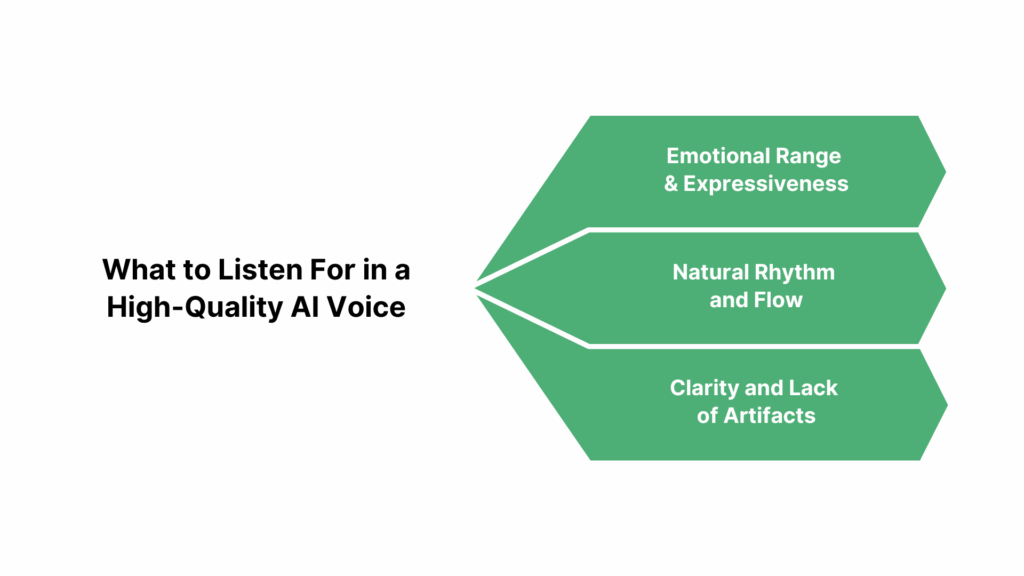
When you’re aiming to replicate the smooth, melodic flow of a K-pop idol’s voice, you need an AI that can handle more than just words. It needs to capture feeling. Here’s what sets a professional-grade tool apart:
- Emotional Range and Expressiveness: Can the AI sound joyful, powerful, or melancholic? The best AI voices aren’t monotone; they carry the emotional weight of the performance. This is vital for hitting those high-energy choruses and tender verses with authenticity.
- Natural Rhythm and Flow (Prosody): This is the secret sauce. Prosody is the pattern of stress and intonation in a language. Korean has its own unique rhythm and cadence. A high-quality model understands these patterns, so the generated vocals don’t sound like a stiff, word-by-word reading but a natural, flowing performance.
- Clarity and Lack of Artifacts: Listen for glitches, muffled syllables, or strange digital buzzing sounds (called artifacts). A top-tier AI voice generator produces clean, clear audio that can be mixed into a track without sounding out of place.
Also read: AI Voices for Commercial Voice Overs
Why Resemble AI is Built for Music
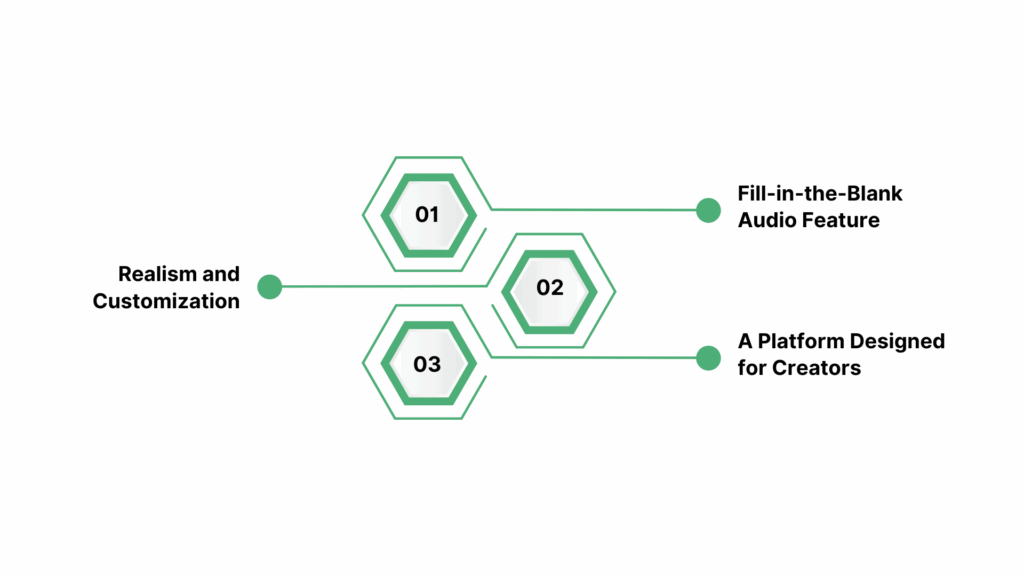
At Resemble AI, we engineered our platform with the demands of creative audio in mind. This isn’t a side feature for us, it’s a core focus. Here’s how our technology specifically supports your K-pop projects:
Fill-in-the-Blank Audio Feature
Many platforms only offer text-to-speech, which can be limiting for music. Our Voice-to-Voice cloning feature changes everything. You can sing the melody yourself and simply convert your performance into the target voice.
This allows you to have precise control over the timing, rhythm, and emotional delivery of the song, resulting in a much more convincing and dynamic cover.
Unmatched Realism and Customization
We prioritize creating the most realistic and nuanced voice clones possible. Our models are trained to capture the subtle breaths, vocal fry, and unique tonal qualities that make a voice recognizable.
You’re not getting a generic approximation; you’re getting a highly tailored sound that you can further refine until it’s perfect for your track.
A Platform Designed for Creators
We provide the high-quality audio outputs you need. You can generate your vocals in studio-quality WAV format, ready to be dropped directly into your favorite music production software for mixing and mastering.
This seamless workflow is essential for producing content that meets the high audio standards of the K-pop genre and its fans.
Also read: AI-Based on Hit Song Creation with Voice Separator
How To Create Your Own K-pop AI Voice Cover Using Resemble AI
Creating your own K-pop AI voice cover is an exciting process. By following these clear steps, you can transform your ideas into a finished track using Resemble AI’s tools.
Step 1: Gather Your Source Audio
The first task is to collect high-quality audio clips of the voice you want to replicate. Look for clean acapella tracks from music videos or performances, or clear speaking segments from interviews.
Ensure the audio has minimal background noise, music, or other voices. A few minutes of clear audio will provide a strong foundation for your AI voice model.
Also read: Generating AI Rap Voices with Voice Cloning Tools
Step 2: Build Your Voice Model in Resemble AI
- Sign up for an account at Resemble AI
- Navigate to the ‘Voice Cloning’ section in your dashboard.
- Upload the clean audio samples you collected. The platform will use this data to analyze and learn the unique characteristics of the voice
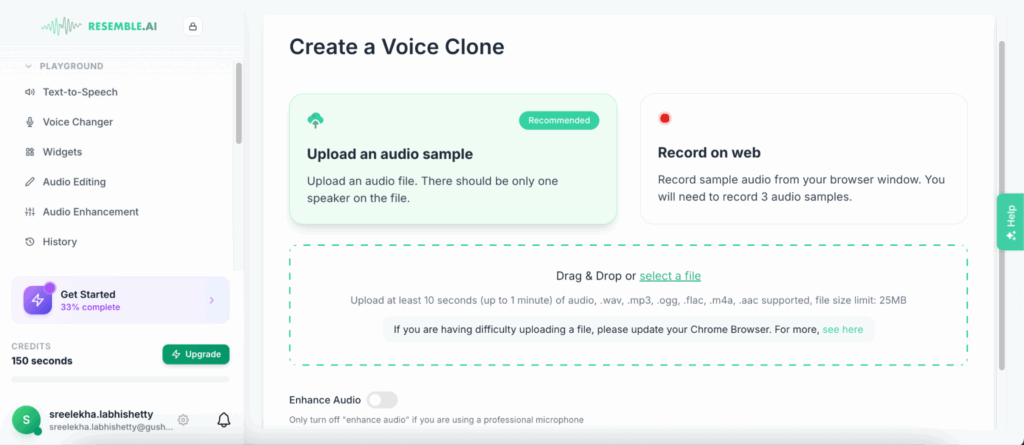
- Name and save your new voice model. The system will need some time to process the audio and build the model.
Step 3: Generate the Vocal Performance
Once your model is ready, you can create the singing voice. Resemble AI offers two primary methods:
- Text-to-Speech: Type the song lyrics into the text box. For Korean lyrics, using phonetic spellings (Romanization) can be helpful. Use punctuation, like commas, periods, and exclamation points, to guide the rhythm and feeling of the performance.
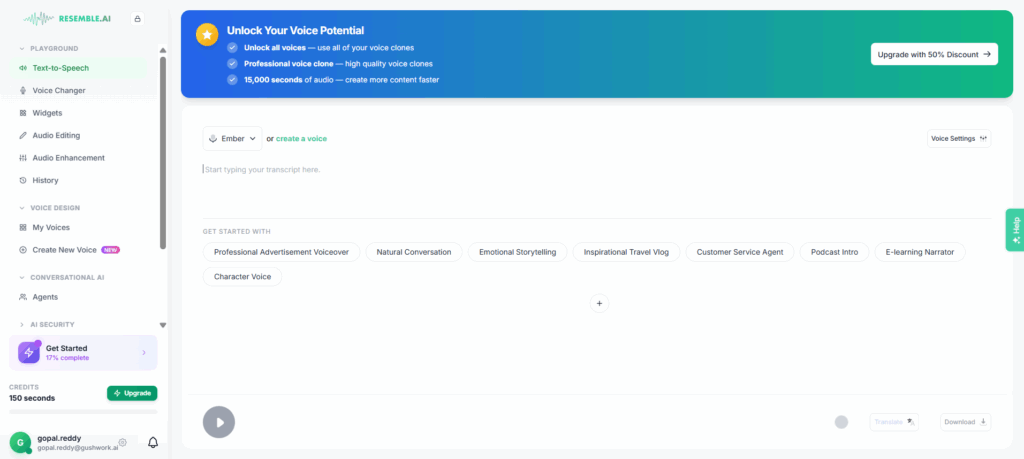
- Voice Changer (Recommended for Music): This is often the best method for music. Record yourself singing the melody, even if you just hum it or use placeholder words. Then, use the voice changer feature to convert your recording into the AI voice you created. This captures your intended timing and emotion for a more natural result.

Step 4: Refine and Download
Listen to the generated audio. You can adjust settings like pitch, speed, and emphasis to fine-tune the output until it matches your vision. When you are satisfied, download the vocal track as a high-quality WAV file.
Step 5: Mix and Master Your Final Track
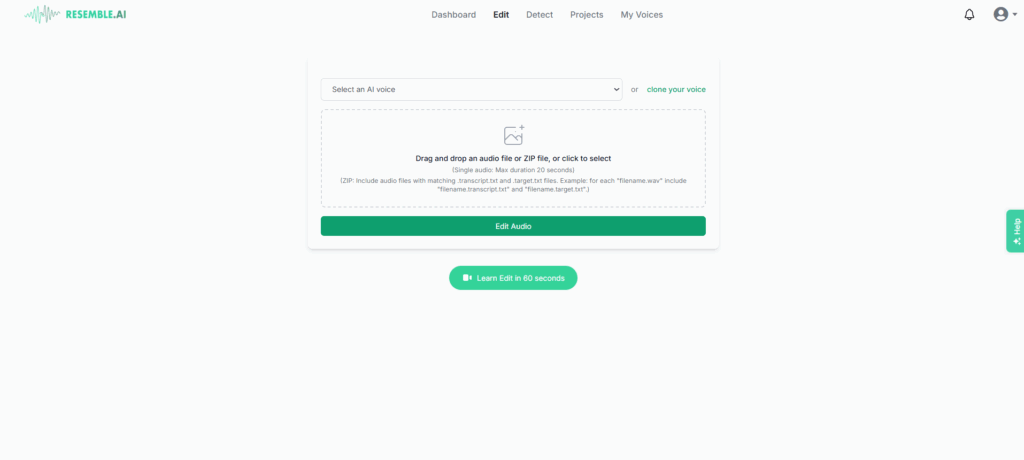
Instead of switching to another program, you can complete your project using Resemble AI’s integrated audio editing tools. Our platform allows you to easily layer your newly generated AI vocals with a backing instrumental track.
You can adjust volume levels, trim sections, and make other edits to ensure everything syncs up perfectly. This streamlined workflow keeps the entire creative process, from voice generation to final mix, within a single, powerful platform.
Also read: AI Voice Generators for YouTube Videos
Pro Tips for Getting the Most Realistic and High-Quality Results
You’ve got your toolset. Now, let’s talk about technique. Creating a convincing AI voice cover is part art and part science. A great model does a lot of the heavy lifting, but a few smart choices during the creation process will elevate your results from “cool tech experiment” to “is that really them?”
Here are some professional tips to help you get the most realistic and high-quality sound from your AI voice covers.
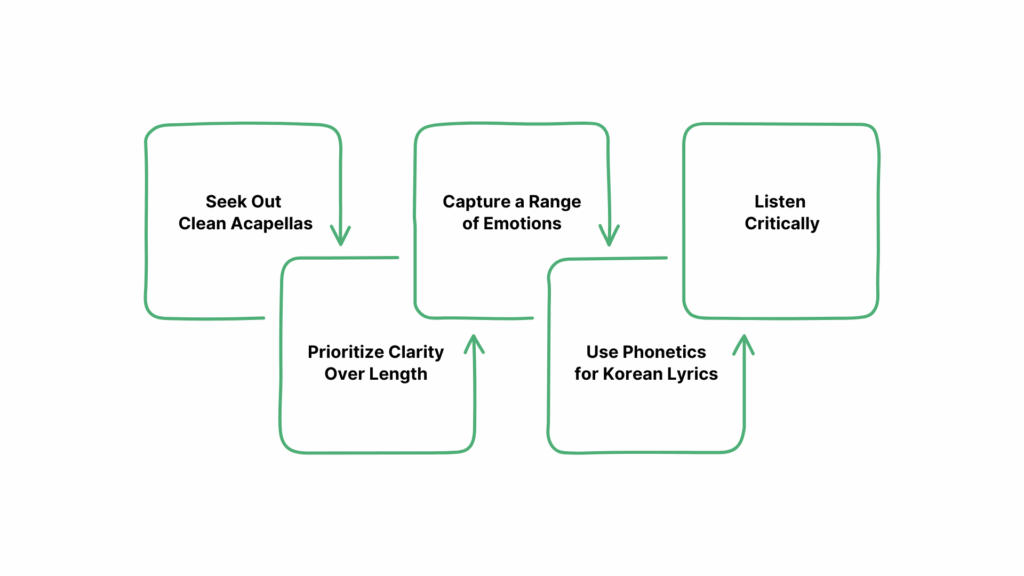
- Seek Out Clean Acapellas: The holy grail for any voice clone is a clean, isolated vocal track. Look for official instrumental versions of songs, which often come with stripped acapellas. Studio acapellas have no background music, reverb, or effects, giving the AI a pure sample of the voice to learn from.
- Prioritize Clarity Over Length: A few minutes of crystal-clear, uninterrupted speaking or singing from an interview or live performance is far more valuable than an hour of noisy audio. Avoid clips with background music, audience cheering, or multiple people talking over each other.
- Capture a Range of Emotions: If possible, try to include samples where the voice expresses different emotions, happy, sad, powerful, and soft. This helps the AI learn the full dynamic range of the voice, making it more adaptable to any song you choose.
- Use Phonetics for Korean Lyrics: If you’re not fluent in Hangul, writing out the lyrics using phonetic spelling (Romanization) can help. However, pay close attention to how words are actually pronounced rather than how they are spelled. Listening carefully to the original song and mimicking its pronunciation in your input will yield better results.
- Listen Critically: Put your finished track aside for a bit and then come back to it with fresh ears. Does it sound like it belongs? Make small adjustments until the vocal feels like a natural part of the song.
Best Practices and Ethical Considerations
Creating a K-pop AI voice cover is an exciting creative achievement. Once you have a final track you’re proud of, you’ll likely want to share it. Sharing your work connects you with a community of fans and creators, but it’s important to do it thoughtfully.
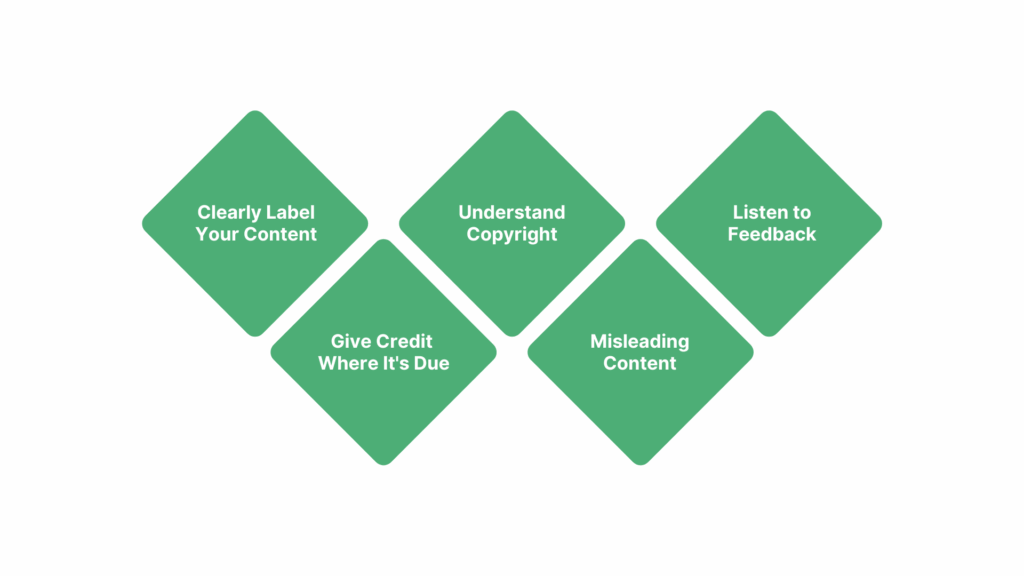
This technology is new and powerful, and how we use it matters. Here are some best practices for sharing your work responsibly and ethically:
- Clearly Label Your Content: Use hashtags like #AIVoiceCover, #AIMusic, or #FanCreation in your post descriptions. A simple note like “This is a fan-made AI cover created for fun” removes any confusion about the origin of the vocals.
- Give Credit Where It’s Due: Always credit the original artists, songwriters, and producers of the instrumental track you used. This shows respect for the original work and the people who created it.
- Understand Copyright: Instrumental tracks and original songs are protected by copyright. Most platforms will have policies on using copyrighted material. Creating a cover for non-commercial, fan-based sharing on platforms like YouTube is generally accepted under fair use principles, but monetizing your cover or selling it is not.
- Avoid Harmful or Misleading Content: Never use an AI voice model to create content that is defamatory, spreads misinformation, or could damage an artist’s reputation. This is a breach of trust and can have serious consequences.
- Listen to Feedback: If the community or rights holders express concerns about a creation, listen respectfully. The norms around this technology are still developing, and being adaptable is important.
Also read: How to Make AI Voice Sound Human-Like
Conclusion
The world of music creation is changing, and AI voice technology is opening doors that were once closed to all but a select few. We’ve walked through the essentials: from choosing a quality AI voice generator designed for the nuance of music, to gathering the right source material, and finally, to sharing your creation with the world in a thoughtful way.
The process is a blend of technical skill and artistic choices, and each project is a chance to learn and improve. The tools are here, the community is growing, and the only limit is your imagination. With Resemble AI, whether you’re a seasoned content creator or a curious fan taking your first steps, there’s a place for you in this new creative space.
Ready to hear your ideas come to life? Book a free demo with Resemble AI today and make your first K-pop AI voice cover.
FAQs
Q1. Is creating a K-pop AI voice cover legal?
Yes, for non-commercial, fan-based sharing, it is generally acceptable under fair use. However, selling your cover or using it for profit is not legal. Always credit the original artists.
Q2. Can I make a cover if I don’t speak Korean?
Yes. Use phonetic spelling for the lyrics or our voice-to-voice feature. You can hum the melody or sing the sounds you hear, and the AI will generate the Korean vocals.
Q3. How much audio do I need for a voice model?
Focus on quality, not quantity. 5-10 minutes of clean, clear audio (like an acapella track) will produce a much better model than hours of noisy material.
Q4. Will my cover get taken down from platforms?
Properly labeled fan content is often allowed. Clearly tag your work as #AICover or #FanMade and give full credit to the original artists to avoid issues. Do not monetize it.
Q5. How do I avoid a robotic sound?
For the most emotional results, use the voice-to-voice feature. The AI will match the feeling and timing of your own singing performance, creating a more natural and dynamic cover.